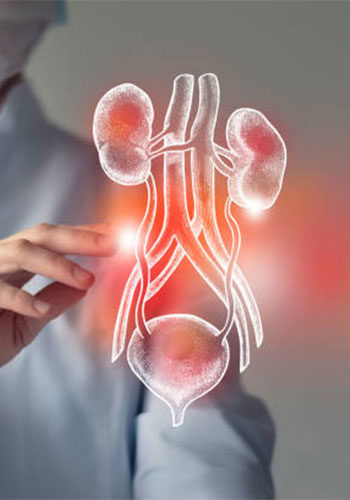
Urology is a medical speciality that concentrates in the diagnosis, treatment, prevention and management of the urological system. Other than this, they also treat the reproductive system and related to men and all the medical conditions related to it. Best part about urology is that the best Urologist in Guntur are trained and well capable to handle surgical and non-surgical requirements of urological disorders.
Pediatric or kids urology:
Pediatric urology is a specialized field focused on diagnosing and treating urinary and genital tract disorders in children, encompassing congenital anomalies, infections, obstructions, and developmental issues. Common conditions include vesicoureteral reflux, hypospadias, undescended testes, and neurogenic bladder. Pediatric urologists employ a range of diagnostic tools such as ultrasound, voiding cystourethrography, and urodynamics to assess these conditions. Treatment approaches vary from minimally invasive procedures like endoscopic surgeries to complex reconstructive surgeries, aiming to preserve renal function and improve quality of life. Early intervention is crucial in many cases to prevent long-term complications such as renal damage or infertility. Advances in pediatric urology include the development of novel surgical techniques, robotic-assisted surgeries, and improved understanding of pediatric urinary tract physiology. Multidisciplinary collaboration with nephrologists, radiologists, and pediatricians enhances patient outcomes, ensuring comprehensive care tailored to the unique needs of children.
Uro Oncology:
Uro-oncology is a specialized branch of medicine focusing on cancers of the urinary system and male reproductive organs, including prostate, bladder, kidney, testicular, and penile cancers. It involves the diagnosis, treatment, and management of these malignancies, often requiring a multidisciplinary approach that includes urologists, oncologists, radiologists, and pathologists. Advances in uro-oncology have led to the development of minimally invasive surgical techniques such as robotic-assisted surgeries, targeted therapies, immunotherapies, and personalized medicine strategies to improve patient outcomes. Early detection by urologist in Guntur and screening, especially for prostate and bladder cancers, are crucial for effective treatment. The field also emphasizes quality of life considerations, including fertility preservation and management of treatment-related side effects, making uro-oncology a dynamic and evolving specialty dedicated to combating some of the most common and challenging cancers affecting men and the urinary system.
Kidney or Renal Transplant:
A kidney or renal transplant is a surgical procedure to replace a diseased or failing kidney with a healthy one from a living or deceased donor. This treatment is often considered for patients with end-stage renal disease (ESRD) to restore normal kidney function, improve quality of life, and prolong lifespan. The transplant process involves extensive evaluations to determine compatibility and overall health, followed by surgery where the donor kidney is implanted in the lower abdomen. Post-transplant, patients require lifelong immunosuppressive medications to prevent organ rejection and regular monitoring to assess kidney function.
Male Infertility
Male infertility is a condition where a man has a reduced or absent ability to produce viable sperm, leading to difficulties in conceiving a child. It can result from various factors, including hormonal imbalances, genetic issues, lifestyle choices, infections, and environmental exposures. Common causes include low sperm count (oligospermia), poor sperm motility, abnormal sperm morphology, varicocele, and ejaculatory dysfunction. Lifestyle factors such as smoking, excessive alcohol consumption, drug use, obesity, and stress can negatively impact sperm production. Environmental toxins like pesticides and heavy metals also play a role. Diagnosis often involves semen analysis, hormone testing, genetic screening, and imaging studies. Treatment options vary based on the underlying cause and may include medication, lifestyle modifications, surgical interventions, or assisted reproductive technologies like IVF or ICSI. Addressing male infertility is crucial for couples struggling to conceive, and early diagnosis can improve treatment outcomes.
Additionally, organs under the male reproductive system are also catered to by urology doctors in guntur, such as:
Urinary tract stones or kidney stones:
Urinary tract stones, commonly known as kidney stones, are hard mineral and salt deposits that form in the kidneys and can travel through the urinary tract, causing pain and discomfort. They develop when urine becomes concentrated, allowing minerals like calcium, oxalate, uric acid, or cystine to crystallize and form stones. Factors contributing to stone formation include dehydration, dietary habits, obesity, certain medical conditions, and genetic predisposition. Symptoms often include severe pain in the back or side, hematuria (blood in urine), nausea, and frequent urination. Treatment varies based on stone size and location; small stones may pass spontaneously with increased hydration and pain management, while larger stones may require medical procedures like extracorporeal shock wave lithotripsy, ureteroscopy, or surgical removal. Preventive measures emphasize adequate hydration, dietary modifications, and managing underlying health conditions to reduce recurrence.
Urology of women:
Urology issues in women encompass a range of conditions affecting the urinary tract, including urinary incontinence, urinary tract infections (UTIs), overactive bladder, interstitial cystitis, and pelvic organ prolapse. Urinary incontinence, often due to weakened pelvic floor muscles, leads to involuntary leakage, significantly impacting quality of life. UTIs are common, especially in sexually active women, caused by bacterial invasion of the urinary tract, presenting with symptoms like dysuria, urgency, and frequency. Overactive bladder involves sudden urges to urinate and frequent urination, sometimes with incontinence, often linked to detrusor muscle overactivity. Interstitial cystitis is a chronic condition marked by bladder pain and urgency, with an unclear etiology. Pelvic organ prolapse occurs when pelvic tissues weaken, causing bladder or other organs to descend, leading to discomfort and urinary issues. Proper diagnosis and management, including behavioral therapy, medications, pelvic floor exercises, and sometimes surgery, are essential for effective treatment of these urological conditions in women.
Neuro-urology (Neurological implications on the urinary system):
Neuro-urology is a specialized branch of medicine that focuses on the neural control of the urinary system, encompassing the diagnosis and management of urinary tract dysfunction caused by neurological disorders. It involves understanding the complex interactions between the nervous system and the lower urinary tract, including the bladder, urethra, and pelvic floor muscles. Conditions such as spinal cord injuries, multiple sclerosis, Parkinson’s disease, and stroke often lead to neuro-urological issues like incontinence, urinary retention, and detrusor overactivity. Overall, neuro-urology plays a critical role in enhancing the quality of life for patients with neurological impairments affecting urinary control.
The urological system primarily includes organs involved in the production, storage, and elimination of urine. Key organs are the kidneys, which filter blood and produce urine; the ureters, tubes that carry urine from the kidneys to the bladder; the bladder, a muscular sac that stores urine; and the urethra, through which urine exits the body. Additionally, the male reproductive organs such as the prostate gland, seminal vesicles, and the penis are sometimes considered part of the urological system due to their proximity and related functions by urology doctors in Guntur. This system plays a vital role in maintaining fluid and electrolyte balance and eliminating waste from the body.
Most commonly treated medical conditions in Best Urology Hospitals in Guntur, include the below:
- Erectile Dysfunction
- Prostatitis
- Prostate Cancer
- Testicular Cancer
- Enlarged prostate
- Benign prostate hyperplasia
- Kidney stones
- Urological stones
- Infertility
Get the best treatment for kidney stones in Guntur.
Looking for expert diagnosis and treatment for urinary or prostate conditions?
Explore related care: Urology hospital in
Guntur | General
medicine hospital in Guntur | General surgery
in Guntur